

hanging led mirror
Understanding Plug Gauges and Ring Gauges Definition, Usage, and Importance In the realm of manufacturing and engineering, precision is paramount. The ability to produce components that meet exact specifications is essential for the functionality and durability of machines and structures. In this context, tooling and measuring instruments play a vital role, and among these, plug gauges and ring gauges are critical tools for quality assurance. What are Plug Gauges? Plug gauges, often referred to as go/no-go gauges, are used to measure the internal diameters of holes, ensuring that they meet specified tolerances. These gauges come in sets, typically including a go gauge and a no-go gauge. The go gauge is designed to fit into the hole if it meets the minimum size requirement, while the no-go gauge should not pass into the hole if it exceeds the maximum allowable size. For example, if a hole is intended to be 10mm in diameter, a 10mm go plug gauge would fit perfectly. Conversely, a 10.1mm no-go plug gauge would not fit, indicating that the hole is too large. This simple yet effective mechanism allows manufacturers to quickly assess whether their products fall within specified tolerances, thus ensuring quality control throughout the production process. What are Ring Gauges? Ring gauges serve a similar purpose but are applied to external features, particularly the external diameters of shafts and similar components. Like plug gauges, ring gauges also come in go and no-go configurations. The go ring gauge must slide over the diameter of the shaft with ease, confirming it meets the minimum size requirement, while the no-go gauge must not fit, signaling an oversized component. An example would be a shaft meant to have a diameter of 20mm. The 20mm go ring gauge should fit snugly, while a 20.1mm no-go ring gauge would fail to pass, indicating that the shaft is out of specification. This dual-format capability of ring gauges facilitates thorough quality checks for precision mechanical components. Importance of Plug and Ring Gauges The importance of plug and ring gauges cannot be overstated in the manufacturing landscape. Their role in ensuring dimensional accuracy is crucial for various reasons 1. Quality Assurance Gauges help manufacturers maintain high standards of precision. This is vital for industries where tolerance levels are critical, such as aerospace, automotive, and medical devices. plug gauge and ring gauge 2. Cost Efficiency Ensuring components are produced within tolerance reduces waste and rework, leading to significant cost savings. Using gauges effectively minimizes the risk of defective parts entering the supply chain. 3. Interchangeability Standardized components are essential for assembly lines where parts must fit together seamlessly. Plug and ring gauges help ensure that parts made by different manufacturers can be interchanged without issues. 4. Compliance and Certification Many industries are subject to regulatory standards that dictate acceptable tolerances for components. Plug and ring gauges help manufacturers demonstrate compliance with these standards, easing the process of certification. Best Practices for Using Plug and Ring Gauges To maximize the effectiveness of plug and ring gauges, manufacturers should adhere to certain best practices - Calibration Regular calibration of gauges ensures their accuracy and reliability. Factors such as wear and environmental changes can affect measurements over time. - Proper Handling Gauges should be handled with care. Avoid dropping or exposing them to harsh environments that could compromise their integrity. - Periodic Inspection Consistent inspection of gauging tools can prevent the use of worn or damaged gauges, thereby maintaining the quality of the products being manufactured. - Training Ensuring that personnel are trained in the proper use of gauges is crucial for effective quality control processes. Conclusion In summary, plug gauges and ring gauges are indispensable tools in the manufacturing sector, helping to ensure that components meet stringent dimensional standards. Their role in quality assurance, cost efficiency, and compatibility across components is crucial in today's precision-driven industries. By adhering to best practices in their use and maintenance, manufacturers can guarantee the accuracy and reliability of their products, thereby upholding their commitment to quality and customer satisfaction.
about
hanging led mirror
In the realm of precision measurement and quality control, ring gauges play a pivotal role in ensuring the accuracy and consistency of cylindrical components. Whether used in manufacturing, engineering, or inspection processes, these tools are indispensable for verifying the dimensional integrity of parts. For businesses and professionals relying on ring gauges for sale or existing plain ring gages , proper maintenance and storage are critical to preserving their precision, and ensuring reliable measurements over time. This guide explores best practices for maintaining and storing ring gauges , helping users maximize their investment in these essential metrology tools. Cleaning Protocols for Ring Gauges Regular and meticulous cleaning is the foundation of maintaining ring gauges . Dust, debris, oil, and other contaminants can accumulate on the surface of plain ring gages , leading to measurement errors and surface damage. To clean ring gauges , start by using a soft, lint-free cloth or brush to gently remove loose particles. For stubborn residue, a mild solvent or specialized gauge cleaner can be applied sparingly. Avoid using abrasive materials or harsh chemicals, as these can scratch the gauge’s surface or degrade its material properties. After cleaning, thoroughly dry the ring gauge with a clean cloth to prevent moisture from causing corrosion, especially for metal gauges. Proper cleaning not only ensures accurate measurements but also protects the gauge’s finish and dimensional stability. Inspection and Calibration of Ring Gauges for Sale Even the highest-quality ring gauges for sale require regular inspection and calibration to maintain their precision. Before and after each use, visually inspect the gauge for signs of wear, such as scratches, dents, or corrosion. Pay close attention to the measuring surface, as any imperfections can affect the accuracy of the gauge. Periodic calibration against traceable standards is essential, especially for gauges used in high-precision applications. Calibration should be performed by qualified technicians using certified equipment to ensure compliance with industry standards. By incorporating routine inspection and calibration into your maintenance schedule, you can trust that your plain ring gages will deliver reliable results and meet the rigorous demands of your measurement processes. Optimal Storage Conditions for Plain Ring Gages Storing plain ring gages correctly is key to preventing damage and maintaining their precision. Always store gauges in a clean, dry, and temperature-controlled environment. Excessive heat, humidity, or fluctuations in temperature can cause thermal expansion or contraction, altering the gauge’s dimensions and leading to measurement inaccuracies. Use dedicated storage cases or trays with soft lining to protect ring gauges from impact and prevent them from coming into contact with other tools or objects that could scratch or deform them. For long-term storage, consider applying a thin layer of rust inhibitor to metal gauges to protect against corrosion. Proper storage not only extends the lifespan of your ring gauges for sale but also ensures they are ready for use whenever needed. Handling Techniques to Prevent Damage How you handle ring gauges can significantly impact their performance and longevity. Always handle gauges with clean, dry hands to avoid transferring oils, sweat, or dirt onto the surface. Use gloves if necessary, especially in environments where contamination is a risk. When inserting or removing a ring gauge from a part, apply gentle, even pressure and avoid forcing the gauge, as this can cause abrasions or misalignment. Never use plain ring gages for purposes other than their intended measurement function, such as the assembly or disassembly of parts, as this can lead to irreversible damage. By adopting proper handling techniques, you can minimize the risk of wear and tear and ensure that your ring gauges remain in optimal condition. Ring Gauges FAQS How often should I clean my plain ring gages? Clean your plain ring gages before and after each use to remove contaminants that can affect measurements or cause surface damage. For gauges used in dusty or oily environments, more frequent cleaning may be necessary to maintain their precision and appearance. Can I store ring gauges for sale in a humid environment? No, humidity can cause corrosion in metal ring gauges and lead to dimensional changes in non-metal gauges. Always store gauges in a dry, temperature-controlled environment, ideally with a humidity level below 60% to prevent damage and maintain accuracy. What should I do if my ring gauge shows signs of wear? If your ring gauge exhibits signs of wear, such as scratches or dents, discontinue use immediately. Inspect the gauge for damage and schedule calibration or repair with a qualified technician. Worn gauges can provide inaccurate measurements, leading to quality issues in your work. Is it necessary to calibrate plain ring gages regularly? Yes, regular calibration is essential to ensure the accuracy of plain ring gages . The frequency of calibration depends on usage and industry requirements, but most gauges should be calibrated at least annually or after any significant impact or suspected damage. How can I prevent scratches on my ring gauges for sale? To prevent scratches, always handle ring gauges for sale with care, using soft cloths or gloves. Store them in padded cases or trays to avoid contact with hard surfaces or other tools. Avoid dropping or knocking gauges against objects, and never use them for unintended purposes that could cause abrasion.
-

High quality industrial productsagement

High quality industrial products
View Details -

Meet the diverse needs of customers

Meet the diverse needs of customers
View Details -

Strict quality control

Strict quality control
View Details -

Top raw materials

Top raw materials
View Details -

Trusted supplier

Trusted supplier
View Details
Our application



news and information
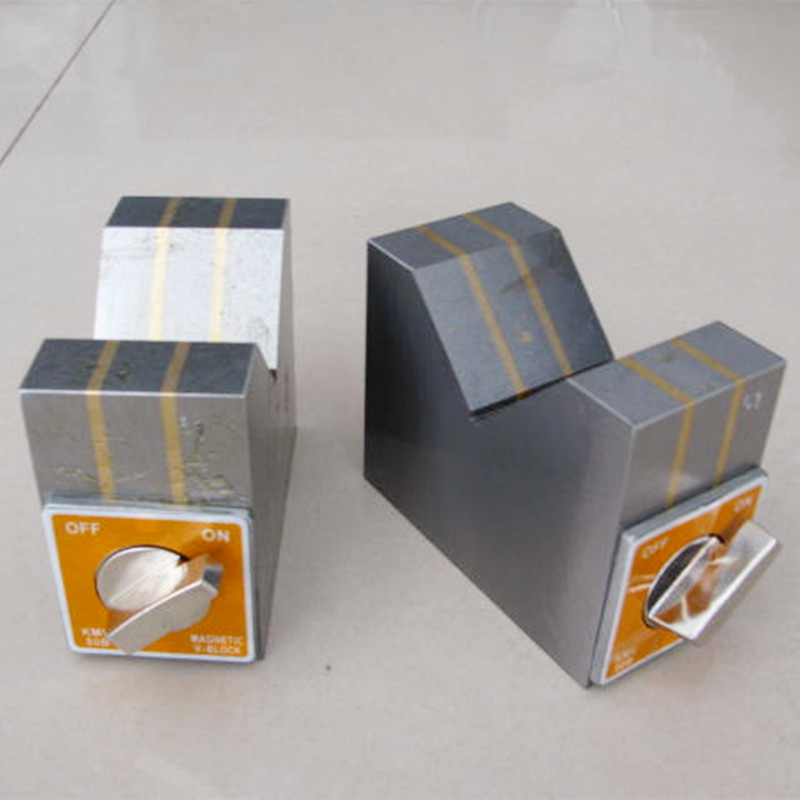
Using a Spirit Level for Accurate Measurement and Alignment in Various Projects
The Importance of the Spirit Level A Fundamental Measuring Tool In the world of construction and car
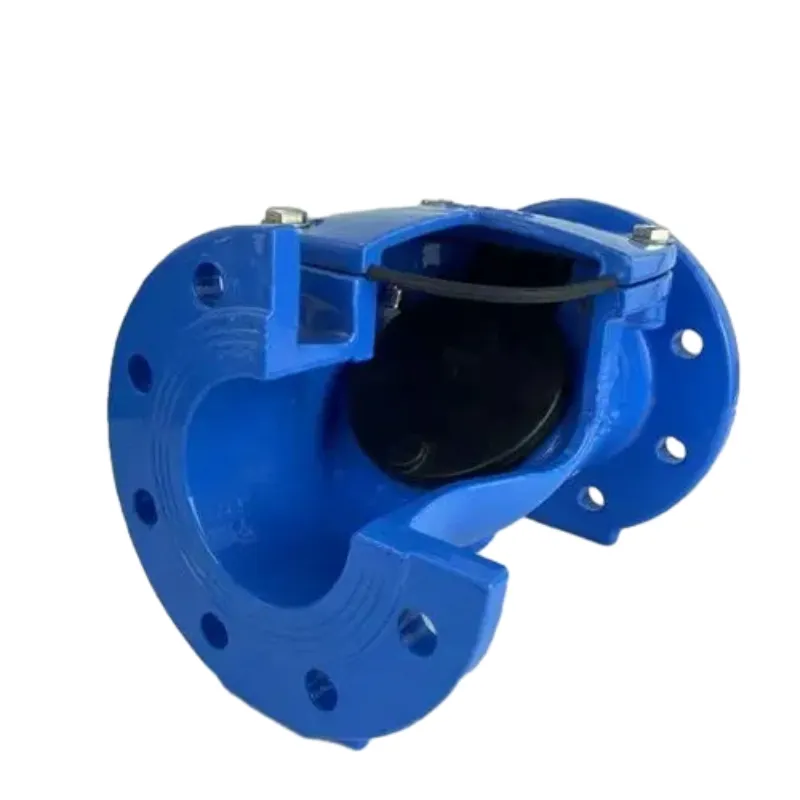
Vannventil for kontroll av vannstrøm og trykkregulering
Vannventilens Rolle i Vannfordeling Vann er en av de mest essensielle ressursene på jorden, og forva
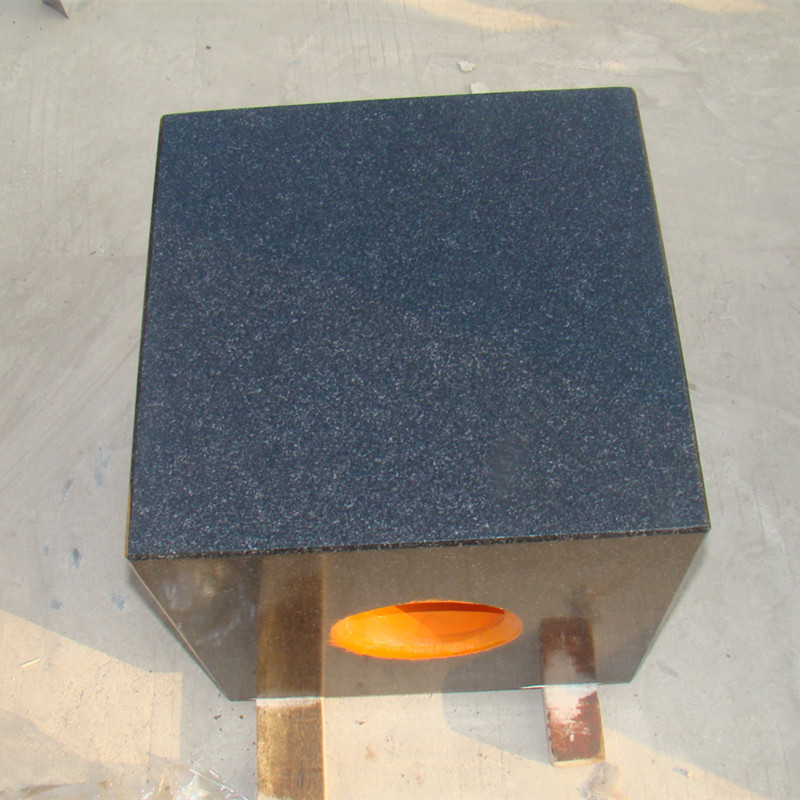
Why Granite Surface Plates Outperform Other Materials
Precision is the foundation of any successful industrial or fabrication process. Whether it's for me
 English